02/21/2026
Human Eye Lens Color Uniqueness in 2026 Guide
Human Eye Lens Color Uniqueness in 2026: Science, Myths & Modern Insights
The human eye has always fascinated scientists, artists, and storytellers. From deep brown to icy blue, from emerald green to rare amber and gray, eye color is one of the most distinctive features of the human face. But when we talk about eye color, are we really talking about the “lens” of the eye? And why does eye color remain such a unique and captivating trait in 2026?
At MawkOptics, we believe that understanding the science behind your eyes is just as important as choosing the right lenses to protect and enhance them. In this detailed guide, we explore the uniqueness of human eye lens color, the genetics behind it, modern technological perspectives in 2026, and how optics professionals approach eye color today.
Understanding the Eye: Lens vs. Iris
Before diving into uniqueness, it is important to clarify a common misconception.
The lens of the eye is actually clear and colorless. It sits behind the iris and helps focus light onto the retina. The color we see when we look into someone’s eyes comes from the iris, not the lens.
So why do many people say “eye lens color”? Because in everyday language, people often refer to the entire visible eye as the “lens.” For clarity in this article, when we discuss eye color uniqueness, we are referring to the iris color, while also explaining how the internal lens contributes to overall eye appearance and clarity.
In 2026, with better digital imaging and biometric scanning, we now understand eye structure more precisely than ever before.
What Determines Human Eye Color?
Eye color is primarily determined by:
-
The amount of melanin in the iris
-
The distribution of melanin
-
The way light scatters within the iris
Contrary to popular belief, there are no true blue or green pigments in most eyes. Blue and green colors result from light scattering, similar to why the sky appears blue.
The Role of Melanin
-
High melanin → Brown or dark brown eyes
-
Medium melanin → Green or hazel eyes
-
Low melanin → Blue or gray eyes
In 2026, genetic research continues to show that eye color is influenced by multiple genes, not just one. The earlier “dominant vs. recessive” model taught in schools is now considered oversimplified.
Why Every Eye Color Is Unique
Even if two people both have brown eyes, their eyes are not identical.
Here’s why:
1. Iris Patterns Are Unique
The iris has unique patterns — crypts, furrows, rings, and streaks — that make every eye different. In fact, iris recognition technology is now used in security systems because iris patterns are more unique than fingerprints.
2. Light Reflection Differences
The way light reflects in each eye varies depending on moisture levels, pupil size, and environmental lighting.
3. Subtle Shade Variations
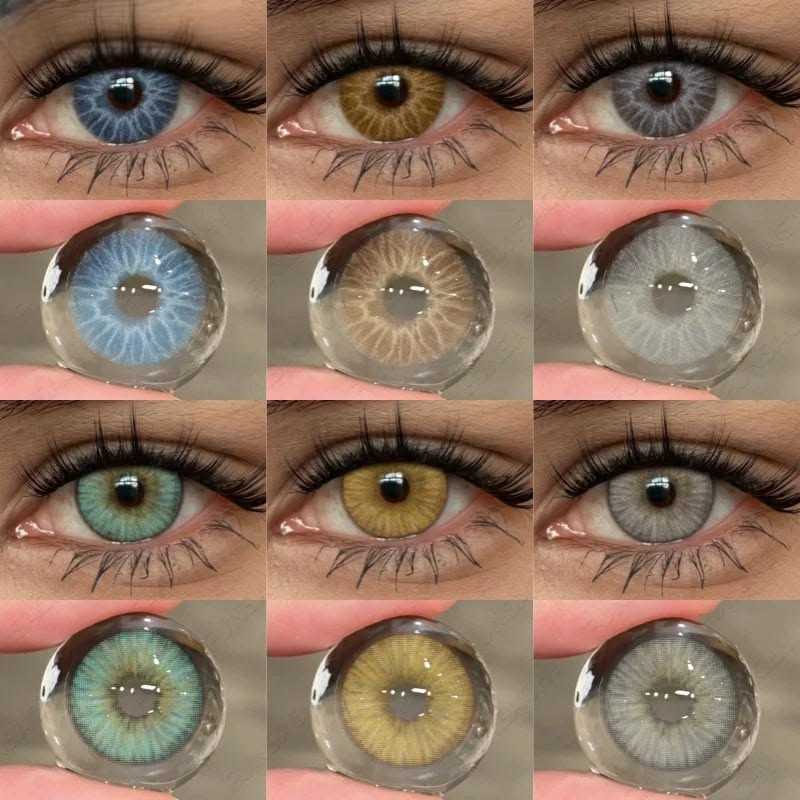
Two blue eyes may differ in undertones — one may appear icy, another slightly gray, another slightly greenish.
In 2026, high-resolution smartphone cameras and AI-enhanced imaging make these micro-differences more visible than ever before.
The Most Common Eye Colors Worldwide
Globally, eye color distribution looks approximately like this:
-
Brown – Most common
-
Blue – Second most common
-
Hazel
-
Green
-
Gray
-
Amber – Rare
Brown eyes dominate worldwide due to higher melanin levels, especially in regions with strong sunlight. Melanin helps protect against UV damage.
Rare and Unique Eye Colors
Some eye colors are extremely rare and often misunderstood.
Green Eyes
Green eyes are rare globally. They result from a moderate level of melanin combined with light scattering.
Amber Eyes
Amber eyes have a golden or copper tone and are distinct from brown. They are uncommon and often confused with hazel.
Gray Eyes
Gray eyes reflect light differently and may appear to change color depending on surroundings.
Heterochromia
This is when a person has two different colored eyes or variations within one iris. It can be genetic or result from injury or medical conditions.
In 2026, awareness about heterochromia has increased due to social media visibility and advanced eye photography.
Can Eye Color Change Over Time?
Yes — but usually subtly.
In Babies
Many babies are born with blue or gray eyes. Their final eye color may develop within the first year as melanin production increases.
In Adulthood
Minor changes can occur due to:
-
Aging
-
Medical conditions
-
Injury
-
Certain medications
The internal eye lens can also become yellowish with age, slightly affecting overall eye appearance. This is common and related to natural aging processes.
The 2026 Perspective: Technology & Eye Color
In 2026, eye color is not just a biological feature — it is connected to technology, fashion, security, and health.
1. Iris Recognition Security
Biometric systems now use iris scanning for:
-
Smartphone unlocking
-
Airport security
-
Banking authentication
Iris patterns are nearly impossible to duplicate, making them one of the most secure biometric identifiers.
2. Smart Contact Lenses
Modern optics companies are developing smart lenses that:
-
Monitor glucose levels
-
Measure eye pressure
-
Adjust tint automatically
These innovations blend health technology with optical science.
3. AI Eye Analysis
Artificial intelligence can now analyze eye images to detect early signs of:
-
Cataracts
-
Glaucoma
-
Nutritional deficiencies
At MawkOptics, understanding these advancements helps customers make informed choices about protective lenses and eye care products.
Cultural Meaning of Eye Colors
Eye color has long been associated with personality traits — though these beliefs are cultural rather than scientific.
-
Brown eyes are often linked to warmth and reliability.
-
Eye Color and Sun Protection
Darker eyes contain more melanin, which provides natural protection against sunlight. However, all eye colors need UV protection.
In 2026, awareness of UV damage has increased significantly. High-quality sunglasses and protective lenses are essential regardless of eye color.
At MawkOptics, we emphasize:
-
UV400 protection
-
Anti-glare coatings
-
Your natural eye color may be unique — but it still requires protection.
Myths About Eye Color
Myth 1: Blue Eyes Are “Pure”
There is no scientific evidence that one eye color is superior to another.
Myth 2: Eye Color Shows Personality
There is no reliable scientific proof connecting personality traits to eye color.
Myth 3: You Can Safely Change Eye Color Surgically
Some cosmetic procedures exist, but they carry risks. Colored contact lenses are a safer temporary option when prescribed properly.
Genetics: More Complex Than We Thought
In earlier decades, people believed:
-
Brown is dominant
-
Blue is recessive
-
In 2026, genetic research continues to uncover how environmental factors may subtly influence gene expression related to pigmentation.
Emotional and Psychological Impact of Eye Color
-
People often feel emotionally connected to their eye color. It can influence:
-
Self-identity
-
Confidence
-
Cultural belonging
-
Beauty preferences
-
Looking ahead, we can expect:
-
More advanced biometric systems
-
Enhanced eye health diagnostics
-
Smart adaptive lenses
-
Personalized optical solutions
-
Eye color uniqueness will remain an important part of identity — but technology will continue to transform how we interact with it.
This emotional connection explains why colored contact lenses remain popular in fashion and photography.
The Future of Eye Color in 2026 and Beyond
Modern genetics shows that eye color depends on multiple genes interacting together. It is not as simple as one dominant gene controlling everything.
-
Blue light filtering
-
Polarized lenses
-
Blue eyes are sometimes associated with calmness.
-
Green eyes are often described as mysterious.
While these associations are not scientifically proven, they continue to influence fashion, media, and beauty standards.
Why Eye Health Matters More Than Eye Color
While eye color is fascinating, eye health is far more important.
Common concerns include:
-
Digital eye strain
-
UV damage
-
Dry eye syndrome
-
Age-related lens changes
In today’s screen-heavy world, protective eyewear is no longer optional. Blue light exposure from digital devices affects people of all ages.
How MawkOptics Supports Your Vision in 2026
At MawkOptics, we combine scientific understanding with modern style.
We focus on:
-
Premium lens coatings
-
UV protection
-
Blue light filtering technology
-
Comfortable and durable frames
-
Modern aesthetic designs
Whether your eyes are brown, green, blue, or gray — they deserve clarity and protection.
Final Thoughts: The Beauty of Uniqueness
Human eye color is one of nature’s most beautiful variations. Even though the internal lens is clear, the iris creates an extraordinary range of shades and patterns that make every individual unique.
In 2026, we understand more about eye color than ever before — from genetics to AI scanning. Yet the mystery and beauty remain.
Your eyes are not just a color. They are a combination of:
-
Biology
-
Light physics
-
Genetic coding
-
Personal identity
And most importantly — they are priceless.
Protect them, understand them, and celebrate their uniqueness.